
High pressure die casting is revolutionising manufacturing in Vietnam, offering precise and efficient production methods that enhance productivity and reduce costs. This article dives into the ins and outs of high pressure die casting, exploring its benefits, the process behind it, industries that leverage this technology, and what the future holds. With insights tailored for anyone looking to understand or engage with this field, you’re in the right place. So, what makes high pressure die casting such a game-changer? Let’s find out.
Overview Of High Pressure Die Casting
High pressure die casting (HPDC) is an advanced manufacturing technique that involves injecting molten metal into a reusable metal mould. Unlike other casting methods, HPDC allows for faster production rates and the creation of intricate shapes with high uniformity and dimensional accuracy. The process is predominantly used with alloys such as aluminium and magnesium, which exhibit excellent mechanical properties and lightweight characteristics. In Vietnam, the growth of HPDC is being driven by increased demand in various sectors, including automotive, aerospace, and consumer products.
Advantages Of High Pressure Die Casting
One of the standout advantages of high pressure die casting is its ability to produce components with excellent surface finish and high dimensional accuracy. This means less machining is required afterward, saving time and costs.
The process is known for its efficiency, enabling high production volumes in short cycles—ideal for large-scale manufacturing. In high pressure die casting vietnam, the durability and strength of cast products suit demanding applications, especially in automotive and aerospace. Additionally, HPDC supports thinner wall sections, reducing weight and material usage while maintaining structural integrity. This not only cuts costs but also supports environmentally friendly practices through lower material consumption and improved energy efficiency.
The High Pressure Die Casting Process
The high pressure die casting process encompasses several key steps:
- Preparation of the Die: The mould is first coated with a release agent to help easy removal of the finished product.
- Injection: Molten metal is injected into the die at high speed and pressure, typically around 700 to 2000 bar. This rapid injection helps fill intricate designs quickly before the metal begins to solidify.
- Cooling and Solidification: Once the die is filled, it’s cooled quickly, allowing the molten metal to solidify in a matter of seconds.
- Ejection: After solidification, the die opens and ejects the finished casting.
- Trimming: Any excess metal from the casting process is removed, resulting in the final product that’s ready for further finishing or assembly.
Key Industries Utilising High Pressure Die Casting In Vietnam
In Vietnam, several industries are at the forefront of the HPDC surge.
- Automotive: The automotive sector is one of the largest users of HPDC, utilising this technology for creating engine blocks, transmission cases, and other critical components.
- Aerospace: With strict safety and performance standards, the aerospace industry benefits from high precision and strength offered by HPDC.
- Electronics: Many electronic devices require lightweight and durable housings, making HPDC a perfect fit for manufacturers in this sector.
- Consumer Goods: Products ranging from kitchen utensils to tools are also made using HPDC, showcasing the versatility of this process across various consumer markets.
Challenges In The Vietnamese Die Casting Industry
Even though the many advantages, the Vietnamese die casting industry faces several challenges.
- Technological Investment: Many local manufacturers need to invest in modern equipment to fully leverage the benefits of HPDC.
- Skilled Workforce: There’s a shortage of skilled technicians trained in HPDC processes, which can limit production efficiency and quality control.
- Material Sourcing: The availability of high-quality raw materials can also pose challenges, affecting the overall production quality.
Addressing these challenges is crucial for the industry to continue its upward trajectory and remain competitive on a global scale.
Future Trends And Developments
Looking ahead, several trends are likely to shape the future of high pressure die casting in Vietnam.
- Innovation in Materials: The development of new alloys and materials tailored for HPDC will enhance product performance and broaden the scope of applications.
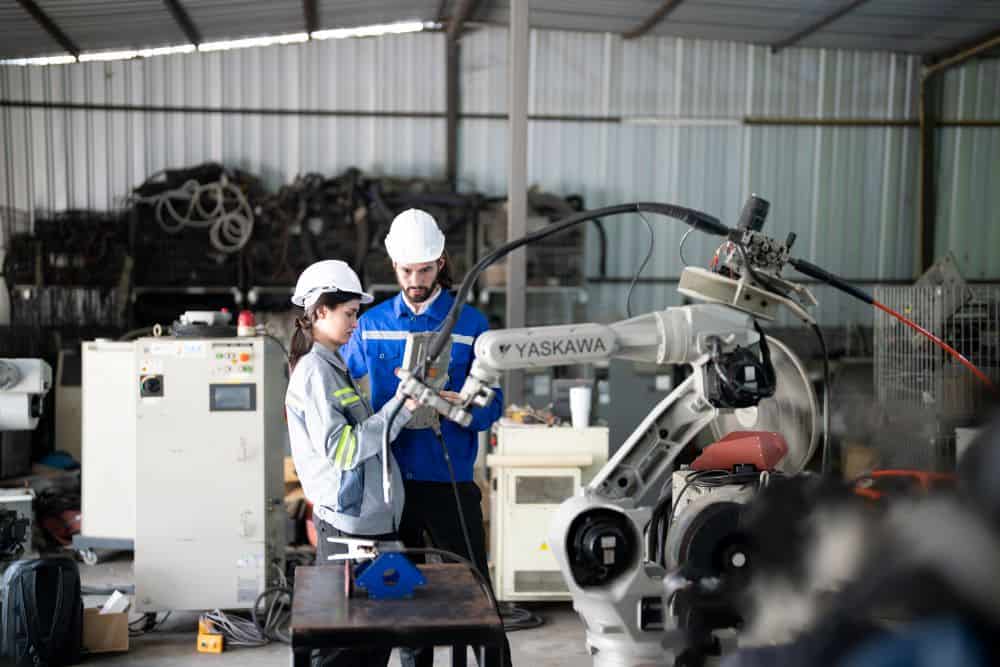
- Automation: The integration of automation technologies into the HPDC process is set to improve efficiency, reduce costs, and enhance quality control checks.
- Sustainable Practices: As environmental concerns mount, there’s a growing push towards sustainable manufacturing processes, which HPDC naturally supports by minimising waste and energy consumption.
By keeping abreast of these trends, businesses can position themselves to capitalise on new opportunities in the market.
Conclusion
High pressure die casting represents a pivotal advancement in manufacturing, particularly within Vietnam’s burgeoning industrial world. With its significant advantages, including efficiency and precision, coupled with the potential for innovative growth, HPDC is an ideal choice for a wide array of applications. But, overcoming current challenges is essential for tapping into its full potential. By embracing technological advancement and investing in skills development, Vietnam can establish itself as a key player in the global HPDC market.